Confession: I was once a November curmudgeon. It was not all that long ago, either. I loved September, October, and December, but November? November to me was best described by another guy who was not fond of November, Thomas Hood, whose fame comes from a poem titled “No!”
No sun––no moon!
No morn––no noon––
No dawn––
No sky––no earthly view––
No distance looking blue––
No road––no street––no “t’other side the way”––
No end to any Row––
No indications where the Crescents go––
Etcetera etcetera until the end: No shade, no shine, no butterflies, no bees, / No fruits, no flowers, no leaves, no birds, / November!
But it is good to sit back every now and again, reassess, and to reconsider our opinions. I’ve done that with many things over the years, like rhubarb, and I am still on the fence about rhubarb, to be honest. But I’ve also reconsidered my opinion about November in recent years and discovered that I’ve come to really love November. Haden, the Convivio Shop Cat, loves November, too, and that is part of my shift in perspective. In the print shop and at the front door in November, the sun streams in through the glass windows like nobody’s business, and she basks in the rays until she gets drunk on the stuff. That alone brings me so much happiness. And, as I’ve grown older and perhaps wiser, I’ve come to realize that some of my favorite days of the year are actually part of celebrations that span several days. I, like many of you, have always loved Halloween and its accompanying apparent magic. It took a lot of years for me to understand that Halloween ushered in All Saints Day and All Souls Day, which includes the beautiful ceremony of Dia de Muertos. And it was many years more before I understood that these days of the year when we especially remember our beloved dead continue well into November. This is Hollantide––a corruption of Hallowtide: the time of the sacred, the time of the holy. And tomorrow, the Eleventh of November, brings Martinmas, their conclusion, ending this annual time of remembrance.
St. Martin of Tours, who we celebrate on Martinmas, was a veteran (and we’ll talk of veterans later, for it is also Veterans Day) of the Roman army in the fourth century who opted to take up Christian pacifism and is known best for helping a poor, drunken man on a cold winter’s day by tearing his own cloak in two so that the poor fellow could have something to keep him warm. St. Martin has since become a patron saint of tailors (and, for better or worse, of vineyard keepers and winemakers and drunkards).
What makes Martinmas the bookend to Halloween? The connection may have something to do with the Celtic New Year––Samhain––which, over the centuries, evolved into our Halloween. Samhain marks, as well, in traditional reckoning of time, the transition to winter. With all of these November days since Samhain, since Halloween, our thoughts have gone deeper below the earth, just as the natural world also shifts its energy below the earth. Winter leads us there. Persephone leads us there. The trees take us there: The leaves have flown, all growth now is below, in the roots. This makes for stronger growth above ground come spring and summer: balance. As above, so below. Oh and guess what? November 11 is the old style date of Samhain. And here we are, then, at Martinmas.
It is, as well, Veteran’s Day, when we honor in the United States all who have served in the military. We used to call it Armistice Day, for it originally marked the signing of the armistice that ended the Great War, which is what we used to call World War I before World War II came to be. The armistice that brought peace after years of senseless fighting was signed in 1918 on Martinmas, at the eleventh hour of the eleventh day of the eleventh month.
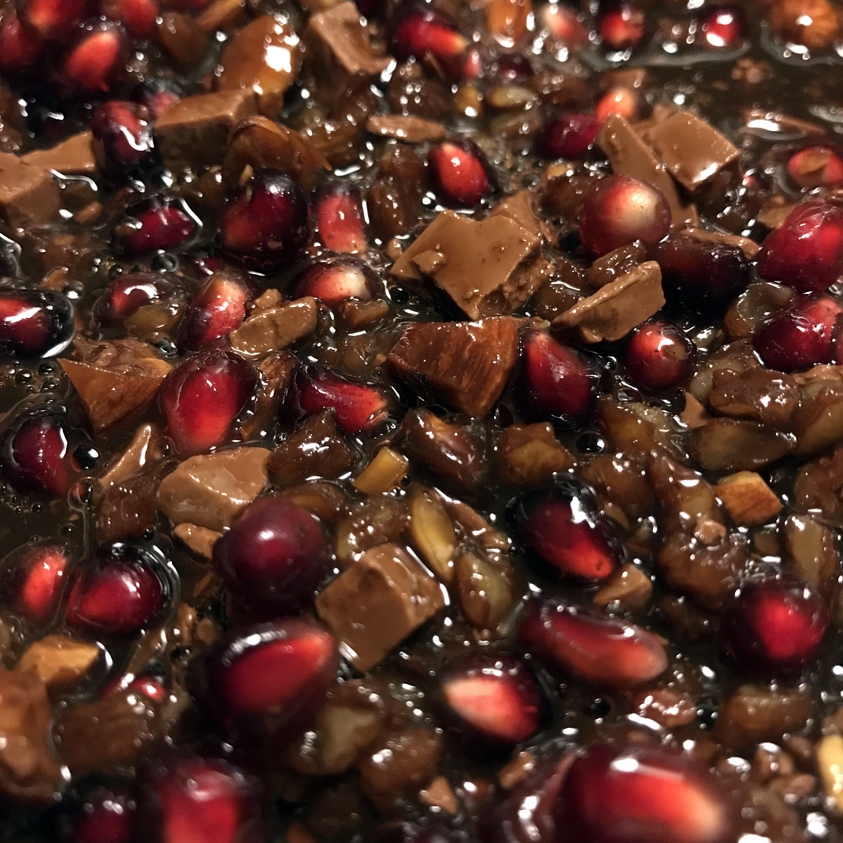
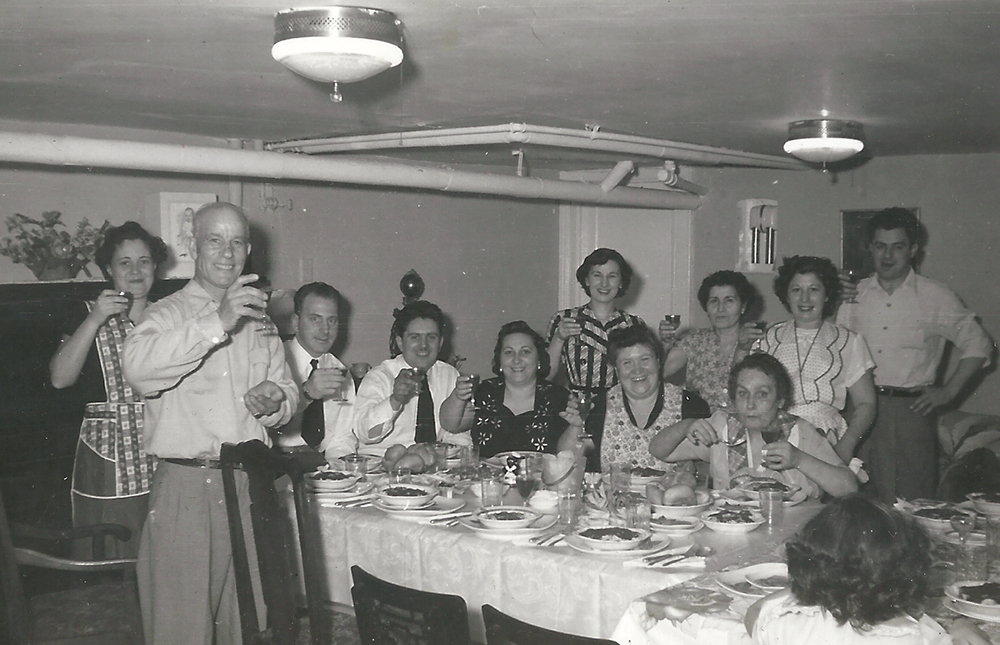
So much associated with this day. One more thing: Martinmas is, traditionally, the time to taste the new wine, a fact certainly related to St. Martin’s patronage of winemakers and vineyard keepers. Each year’s Beaujolais Nouveau wines of France, always young wines, are typically released on or around Martinmas, and the day is often accompanied by a good meal featuring roast goose or turkey and chestnuts––typical harvest celebration foods––and, in Italy, Biscotti di San Martino: biscotti that are so hard, the only way to eat them, really, is to first dunk them in wine. My grandparents, all of them immigrants to the US from Italy, all made wine. My father was glad to get married and leave the winemaking that went on in his family home behind… but he married my mother, and her family made wine each autumn, too. The barrels that had to be cleaned out with water and chains, the crates of Zinfandel grapes that had to be washed and crushed… it was hard work, and I wish I could have been part of it. Winemaking is knowledge that has passed by the wayside in my family, drifted away. But certainly San Martino was important to all of my grandparents and to their wine. Grandpa made the wine, but Grandma made the cutto from the same must, the same grape juice, boiled down on the kitchen stove, reduced to a thick syrup, so specific to her region of Italy, used in desserts specific, too, to autumn and winter, some of which are full of meaning, too, as we remember those who have passed.
The winemaking, the slow all-day cooking of the syrup, the remembrance: all of these are related, returning us to Hollantide. We eat, we drink, we keep the bridges open. Our thoughts below the earth, yet above, too: you may see poppies this day, for Armistice Day, for remembrance, poppies that come out of another famous poem for November, this one by John McCrae: In Flanders fields the poppies blow / Between the crosses, row on row . . . . We are the Dead. Short days ago / We lived, felt dawn, saw sunset glow, / Loved and were loved, and now we lie / in Flanders fields. We remember our veterans, we remember our winemakers, we remember all who have come and gone before us in these autumnal days as we continue to turn thoughts and actions inward with winter’s approach. These are rich traditions, tangible through tastes and aromas. And this, too, is why I now love November.
Image: I’ve used this photo before for Martinmas, but I can’t help using it again. I love the fact that every single person is raising a glass. The photo was taken, probably by my dad, at my sister Marietta’s christening dinner in Brooklyn in February, 1953. The folks in the picture are parents, grandparents, aunts, uncles, godparents. The wine, no doubt, was my grandfather’s own vintage, and he is right there in the foreground, exuberant as he always was. Salute!