Magic

DSC00002.JPG

It is Halloween tonight, All Hallow’s Eve. For a guy who likes to write about seasonal traditions and the magic of ceremony and the willingness to suspend disbelief, well… I could write a book, as they say, about Halloween. And maybe someday I will. The traditions that make our Halloween what it is today––the centuries of beliefs and practices that inform our celebration––are truly fascinating and darkly mysterious, and they evoke such paradox of emotion. I’ve met people who refuse to celebrate Halloween, for they feel it is an unholy thing, and I know people who couldn’t care less about Halloween. But then again, there are many who love Halloween so much it is easily their favorite night of the year. And why wouldn’t it be? If we are open to Halloween and its mystery, we get to go back in time, back to our childhood, back to a land we’ve all been forced to leave behind.

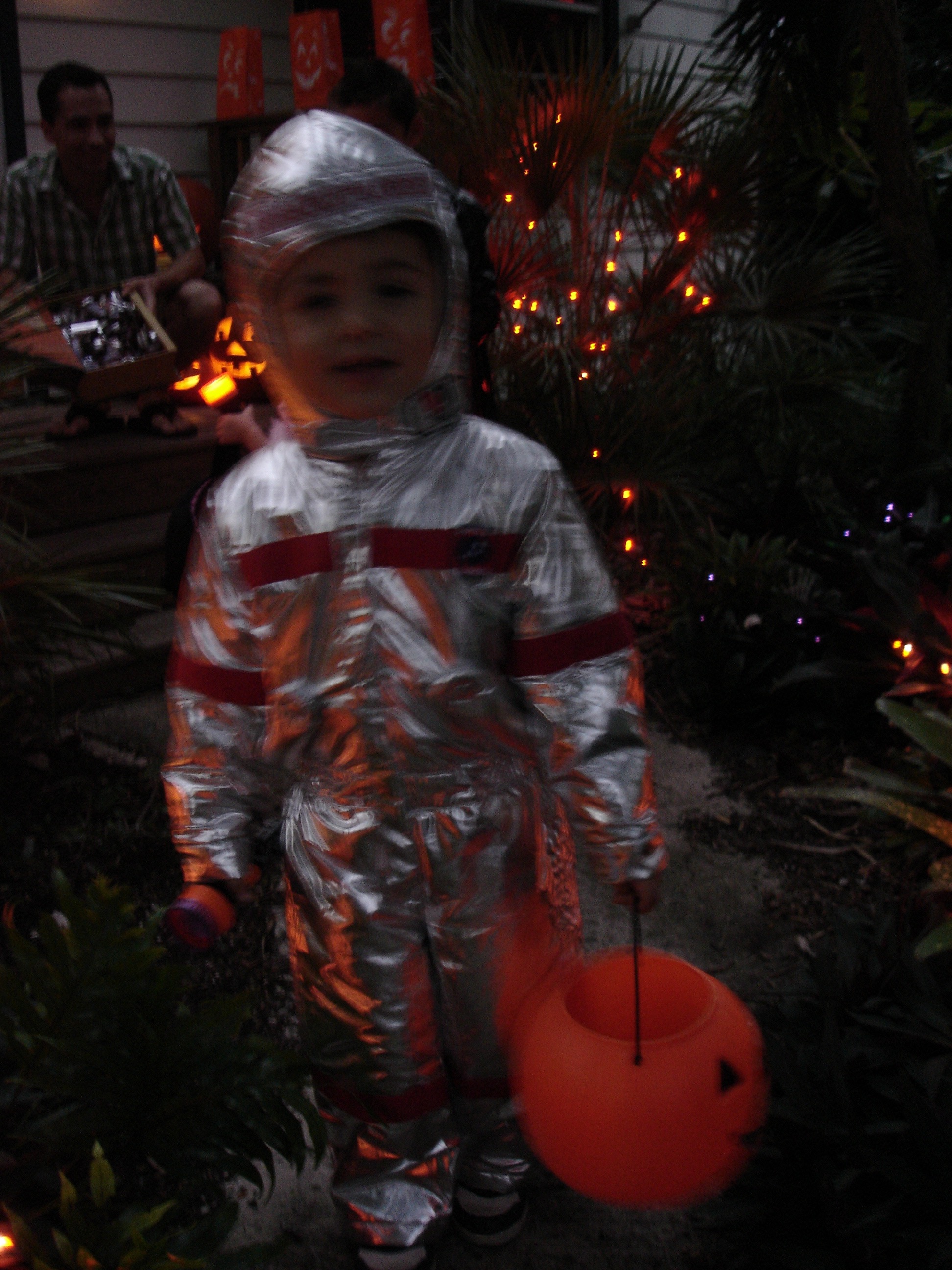
The kid in the photograph above rang our doorbell and yelled “Trick or Treat!” in his spaceman costume years and years ago. He was a sweet guy and he let me take his picture, even though he was a man on a mission with a lot more doorbells to ring. Who knows what he’s like now; but I hope he is a person who still loves Halloween and who is not embarrassed to reconnect with the kid he used to be. I wish this for him and I wish this for all of us. There is real magic in that, and it is powerful stuff.

If you are a person who is willing to suspend disbelief for a spell, you’d probably enjoy a good ghostly story at this spirited time of the year. Convivio Bookworks happens to have one for you: It’s the annual Halloween Convivio Dispatch. It won’t be published here on the Convivio Book of Days blog, because the blog is the blog, and it is about seasonal traditions, mainly. The Convivio Dispatch is much older than the Book of Days blog. I began writing it in 1998 as a plain text email to the 30 or so people on my mailing list. Nowadays, there’s a lot more than 30 people on the list, but still the Dispatches are plain text emails, little story bombs that arrive in your inbox to make your day a bit more special. The Halloween Dispatch each year seems to be the most eagerly anticipated, and despite advances in technology, I like them as plain text emails. You know me: I like the simple things.

If you don’t already get the Convivio Dispatch in your inbox, I’d be delighted to add you to that list of people who get it. All you need to do is sign up by clicking here.

I’d suggest reading this year’s Halloween Dispatch with a cup of cider or a mug of coffee. It involves Minnie’s Diner and revenge between friends over an April Fools prank, and a ghost train, too. I’m working on the edits and polishes just about now and the finished story will be sent out to wend its way through the world like a nighttime fog most likely late on Halloween night, or maybe the night after. I rarely know until… I know. You’ve got to be open to the mystery.

May your Halloween be a spirited one.
John
 

Your October Book of Days

Wassail

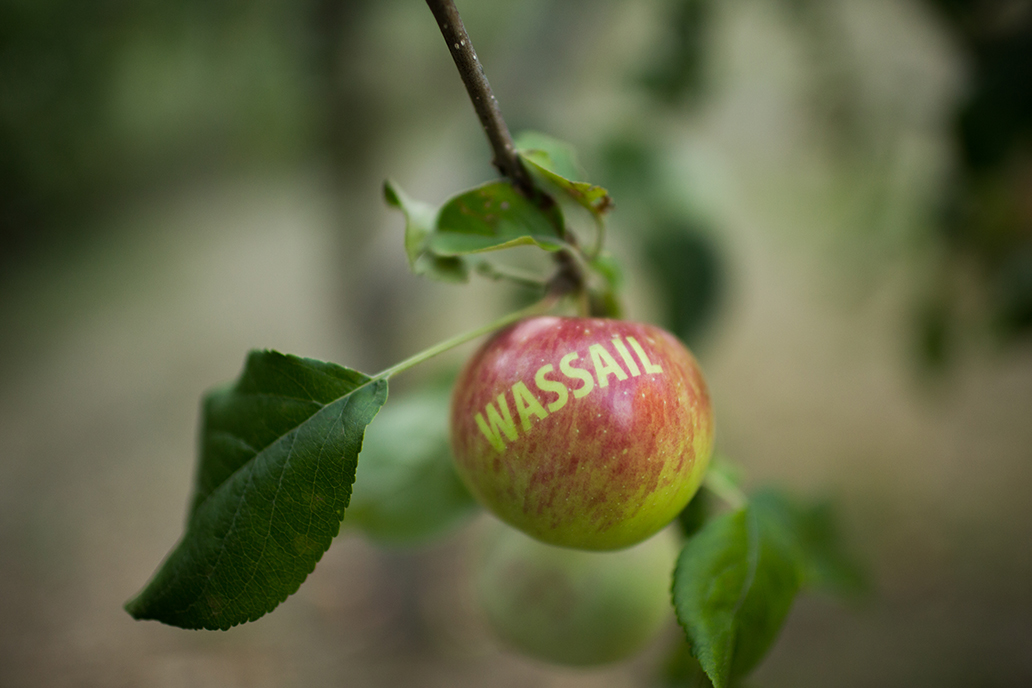
Welcome to October. The harvesting, the gathering in, is in full swing. The Convivio Book of Days calendar for October is so special to us, and we hope you find it pleasing, too. Our friend Shin Yu Pai, who is a poet that we’ve collaborated with on projects in the past, has delved into a beautiful project this summer and fall in which she has been printing on apples in an orchard in Seattle. It is a project that conjures autumnal magic. We’re so delighted that Shin Yu has let us share it with you, too. The photographs are by Katy Tuttle, and they are just as exquisite as the poetry project.

So go on, print the calendar and pin it to your bulletin board, or simply enjoy it on your computer monitor. Also, learn more about Shin Yu Pai’s Heirloom project by visiting her website. Seek magic this month. Enjoy.


Asters & Angels, Bannocks & Brambles

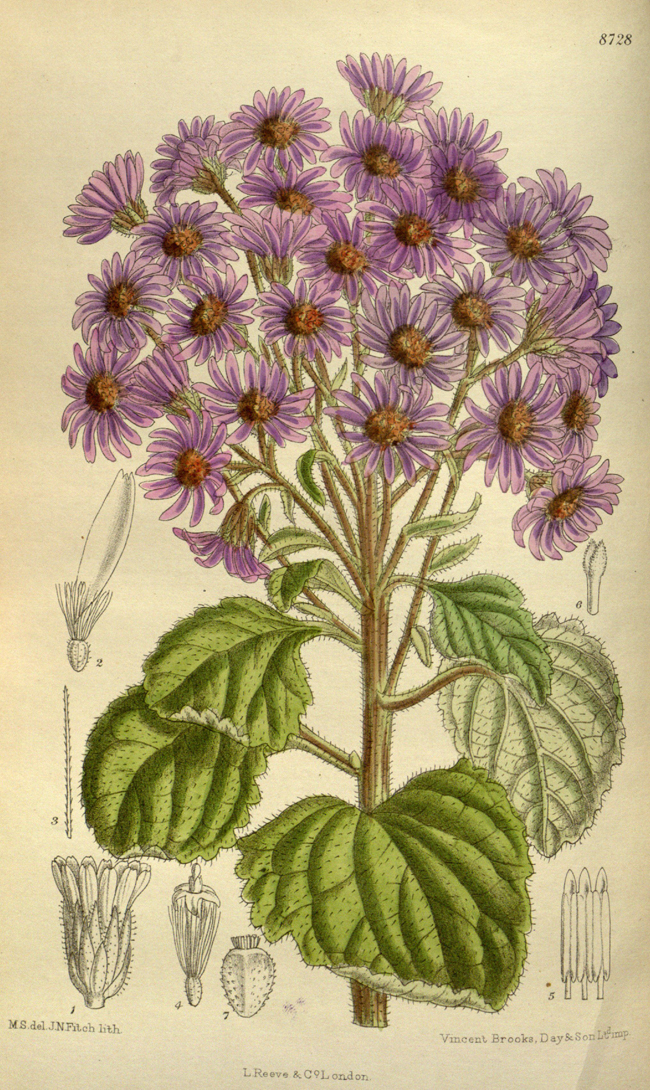
Aster_fuscescens

The 29th of September brings Michaelmas, the Feast of St. Michael the Archangel, one of the principal angelic warriors. Asters, the lovely autumnal flower blooming now in northern places, are important to the day. The purple blossoms herald the end of summer, the approach of winter. Indeed, our days grow shorter and shorter and darkness advances now that we are past the autumnal equinox. It is a good time to seek the protection of Michael the Archangel.

St. Michael’s Bannocks are baked in Scotland and Ireland for Michaelmas. A bannock is not so unlike a scone: a flatbread, basically, cut into wedges, typically made from some combination of oats, barley, and rye. It’s traditional to eat the Michaelmas bannocks with blackberries or blackberry jam, for here is how the story goes: St. Michael the Archangel battled Satan, and as he fell to earth from heaven, Satan fell directly into a bramble patch. Have you ever been in a bramble patch? The blackberries are irresistible, but the thorns on the plants can leave you a bloody mess. Legend has it that each year, Satan returns to curse and spit upon the brambles that he landed upon.

Although Michaelmas celebrates Michael the Archangel, it is a day to celebrate angels of all kinds, the whole company of them, across cultures. Music is such a big part of the seasonal round of the year and I so rarely mention that, but I’m beginning to think I should. It’s good to have a soundtrack to our days. Jane Siberry wrote perhaps the best song ever to honor and invoke angels. It’s called “Calling All Angels,” and she recorded it as a duet with k.d. lang for Jane’s 1993 album “When I Was a Boy.” And so here, for you for Michaelmas, are two of my favorite Canadians singing the song live in Houston. It’s a homemade video, filmed by someone who was there in the audience that night, and in the very last few frames of the video, a woman in the audience turns to the camera and it is in those last few seconds that we witness the emotional power of a song, of a poem. This is what it’s all about, isn’t it? Connexions across time and space, whether human or angelic. The effect we have on others is entirely up to each and every one of us.

Image: Aster fuscescens, printed in Curtis’s Botanical Magazine, London, vol. 143, 1917. [Public domain] via Wikimedia Commons.