Your September Book of Days

SeatOats

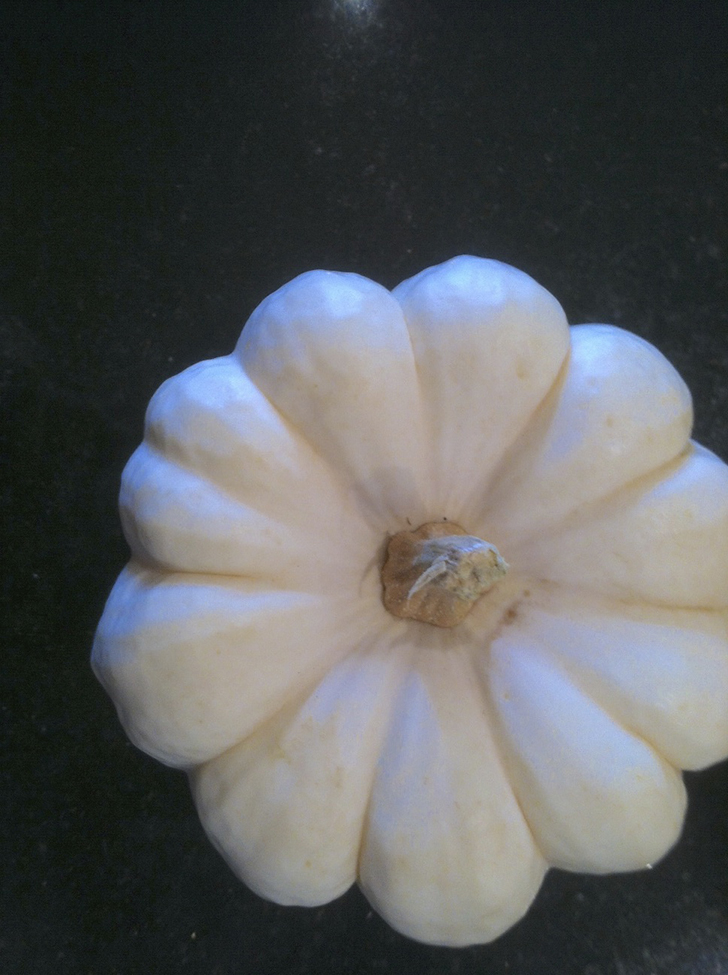
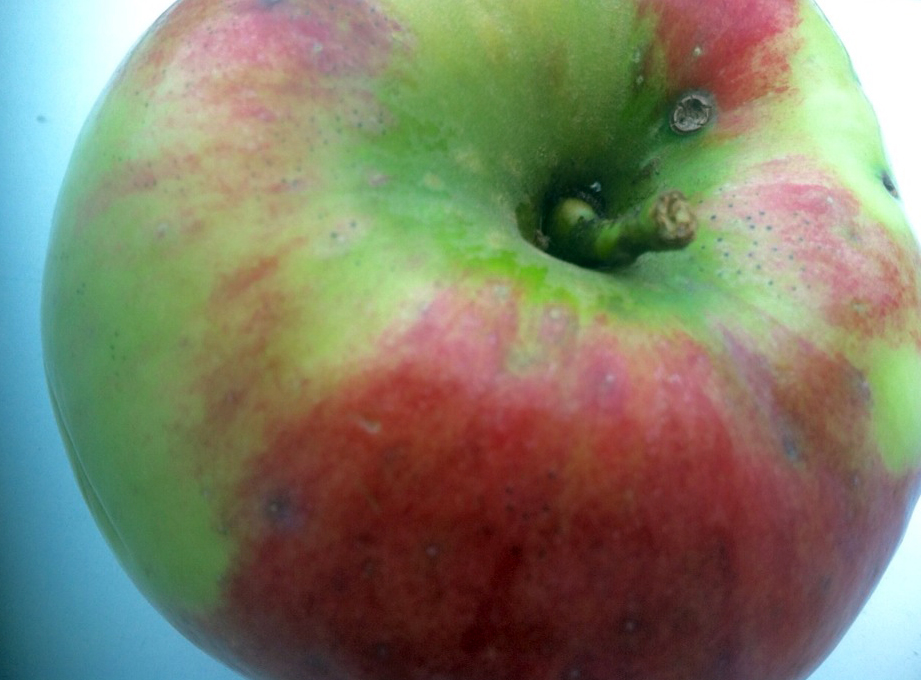
New month, new Convivio Book of Days calendar. It’s September, the month that brings autumn by the almanac to the Northern Hemisphere. And I’ll let you in on a secret: Autumn is our favorite time of year here at Convivio Bookworks. Which is a little strange considering autumn is such a subtle thing in Lake Worth. But when we have the chance, we like to steal away to more northern climes and get a glimpse of golden foliage and apple orchards. Seth and I have been known to drive north with an empty pick up truck and come home with that same truck laden with apples and pumpkins, especially if they are heritage varieties like Rouge vif d’Etampes, the red Cinderella pumpkin from France, or Jarrahdale, the green pumpkin from Australia, or beige Long Island Cheese pumpkins. (If you know anyone locally selling these types of pumpkins this year, let me know. I’ll be their best customer.)

Pumpkin patches speak to me of possibilities. I can remember weeding the big pumpkin patch at the Sabbathday Lake Shaker Community when I was interning there, sitting there in the dirt amongst bold green leaves and yellow flowers and ripening pumpkins, and sensing there was a story to tell that emanated from that pumpkin patch. In a way, it was that idea that evolved into the Convivio Book of Days. The first calendar appeared in October 2003; naturally, it featured pumpkins. And the first Book of Days Blog chapter appeared ten years later, just last October. It, too, featured pumpkins. That first chapter was probably seen by a half dozen people, all, no doubt, related to Seth or me.

So here is September and I know the pumpkins are ripening on the vine. My vision for September was a local one this year: sea oats on the Lake Worth dunes, the plants closest to the edge of this vast continent, and at this time of year, they remind me of grain ripening in the fields. And so here is your September Book of Days calendar, a printable PDF document:

http://www.conviviobookworks.com/Images/September2014.pdf

September is a time of growing introspection: as we begin to gather in the harvest, so we begin to gather in our thoughts, our perspectives, returning focus once more to home and hearth. If you see those pumpkins I like so much, do let me know. I’ve been called “Pumpkinhead” plenty of times in my life, and I don’t mind at all. Happy September.


Image: Sea Oats at Lake Worth Beach.


Labor of Love

Vista of the Union Printers Home Colorado Springs

Here in the US, Labor Day marks an unofficial end of summer. Perhaps not so much here in Florida, where summer is slow to pack its bags: an unwelcome guest that just won’t take a hint. But I have spent summers in New England and there, you’ll notice a definite shift that drifts in around the First of September. There is, with the arrival of the first of these “Ember Months,” a sudden flagging of interest in the frozen custard stand and other such summery ideas. This year, the First of September also happens to be Labor Day, but Labor Day is a movable holiday, celebrated each year on the First Monday of September. Come Labor Day, those frozen custard thoughts begin shifting toward pumpkin pie thoughts and our sights toward the apples ripening on the trees. Change is in the air.

And then there is the official aspect of Labor Day, a holiday created to acknowledge the contributions of the American worker. The founding of the holiday goes back to the heyday of the American Labor movement and the glorious ideals that went hand in hand with that movement. The first Labor Day celebration was organized by the Central Labor Union and occurred in New York City on September 5, 1882. It was a Tuesday. By 1884, the holiday was moved to its current First Monday of September date and was being celebrated in industrial centers across the country, usually with parades and speeches.

Unions have done great things for this country, but they are also a matter of contention. I have had two experiences with unions that illustrate both ends of the spectrum. There was the time I was working a job in Providence, Rhode Island, and I happened to pick up a broom to sweep the work area and was promptly told to put the broom down, for the sweeping had to be done by union members only. Well. Okay, then. And then there was my grandfather, Arturo, a card carrying member of the Bricklayers and Allied Craftworkers Union, Local 1, New York, from the 1920s on. That was most of his life. I remember when he was awarded a gold union card on his 50th anniversary with the union. I was a little boy then. The card is still in the frame he placed it in, and it hangs in my grandmother’s old room at my family’s home. I was too young to ask Grandpa what the Bricklayers and Allied Craftworkers Union meant to him. He, too, was probably of two minds about it, but still, I know he was proud of that card, so that seems to say something about his experience. Happy Labor Day.


Image: A postcard of the old Union Printers Home in Colorado Springs, Colorado, built in the 1890s by the International Typographical Union to care for the sick and aging members of the union. Of course this holds some historic interest to letterpress printers like myself. The home is still in operation but is open to all now, not just printers and typographers. This, I think, represents that ideal of the best of what a union can be: an organization that looks out for its members. You pull for me & I’ll pull for you.


Wayzgoose!

Wayzgoose

If Bartlemy’s Day be fair and clear,
hope for a prosperous autumn this year.

So the saying goes. And so today is St. Bartholomew’s Day, St. Bart being one of the lesser known saints, but a very important one, nonetheless, for bookish types, especially those of us who make books: papermakers, printers, bookbinders, book artists in general. For the printers, St. Bart’s Day brings the celebratory Printers’ Wayzgoose, an English tradition, marking the day each late summer when printers typically returned candles and lamps to the shop for type setting. Daylight is waning, after all: it’s been in steady decline since the Midsummer solstice of June 21. We’ve been losing a few minutes of sunlight each day since then, and by now, just a few short weeks from the autumnal equinox, things are much different than they were at summer’s height in June. We are well on our way toward the dark time of the year.

As for the man himself, St. Bartholomew was one of the Twelve Apostles. Not much else is known about him. He may have traveled to India, to the area around Bombay. Tradition says that he met his end in Armenia in the First Century, and it was a gruesome death, in which he was flayed alive and then crucified upside down. The flaying, naturally, has made St. Bart a patron saint of butchers and tanners. The tanners are our first connection to book artists (think of the leather that fine binders use to bind books). As for butchers, well, we all have to eat. Many of my dad’s uncles and great uncles were butchers in Italy and in this country, and chances are they knew a thing or two about St. Bartholomew and his feast day. An old tradition in England was to make a Bartlemas Beef for the day’s meal, in which brisket was seasoned with wine and spices like ginger, nutmeg, cinnamon, cloves, and mace, then baked and served cold with mustard and sugar. It would take about three days to prepare, though (much like preparing a corned beef from scratch), so… my apologies, it’s much too late to plan on this for your table tonight. There’s always next year, however.

While the bookbinders were honoring St. Bartholomew with their leather bindings, the papermakers traditionally marked St. Bart’s Day in an “out with the old, in with the new” fashion, using up the last of their summer pulp in the vats by making paper not for the print shops but rather for folks to use to seal off their windows for the coming winter. Glass windows came into vogue much later; it was waxed paper that was used to keep out the elements back then. Once this St. Bart’s window paper was made, the papermakers went back to making paper for the printers, clearing out the vats and recharging them with new pulp made from rags that had been retting all summer.

Then there are the printers: They really took the day to heart, making St. Bartholomew’s Day the big printers’ holiday in England. A celebration was typically organized by the proprietor of the shop, marking this day traditionally associated with the shortening of the days and the need for candles and lanterns once more in the shop. The printers might get the day off and would receive a little extra pay, as well, which was typically spent on a goose to roast for the table (hence the name of the day, perhaps: “Wayzgoose”). Good food going hand in hand with good drink, the St. Bart’s Wayzgoose was also a day for plenty of ale and, in some places, mead, the delightful intoxicating beverage made from honey. Especially in Cornwall, where a Blessing of the Mead ceremony takes place even today. Continuing the road of connexions, our friend Bart is also a patron saint of beekeepers, and it was traditional in England to bring in the honey crop on August 24.

The Jerusalem Post, August 27, 2010, reported that Johannes Gutenberg’s 42-Line Bible, the first book printed from moveable type, was completed on St. Bartholomew’s Day in 1454. I tried finding other sources to back up this claim, but had no luck. Still, I like the idea of this and if it is indeed true, this may have something to do with the day becoming a matter of such importance to printers and bookbinders. No matter what is fact and what is legend, our view on the day is simple: It’s a day for celebrating the core traditions of the book arts: papermaking, printing, and bookbinding. If you are involved in these noble arts, as we are here at Convivio Bookworks, we hope you’ll mark the day by making something suitably bookish. And if you are not a maker but a book arts enthusiast, your job today is to appreciate a good book. And no matter what your role, certainly, you can celebrate a day with at least a few delightful names: Happy Wayzgoose. Happy Bartlemas.


Image: WAYZGOOSE set in historic wood type from our collection. Nearby, the first line gauge I ever bought. I got it at the supply store at the Penland School of Crafts, July 1994. I also met some of my very best friends there and then.


Tagged