The spring equinox has come and gone, the moon grows larger each night, and our Lenten journey nears completion now that Palm Sunday has passed. We have entered into Holy Week, holiest of weeks, culminating in Easter Sunday and the core of what those of us who profess to be Christians believe: that Christ suffered, died, and was buried, and rose again on the third day.
This is a lot to process, no? And the violence at the week’s end, unnerving. I’ve been reading these past few weeks a book we sell in the shop, Bitter & Sweet: A Journey into Easter. It is a Lenten devotional by Tsh Oxenreider with daily readings for each of the days of this season that began in February with Ash Wednesday. Her welcoming chapter begins with words that have stuck with me since I first read them: “Lent is strange because Easter is strange.” She’s absolutely right. We are asked to believe an awful lot.
But this is my heritage and I enter the week with the reverence that I was taught by those who came before me. I remember them as I proceed with the ceremonies and rituals, as I sit in dark churches late at night, as I gather with the ones I love to cook and bake and feast. There are things we do each year just because we do what we do, and it would be strange indeed not to do them. And so the waxing moon will wax and grow and the days and nights will come and go: Holy Monday, Holy Tuesday, Spy Wednesday. The moon will wax to fullness that night.
As for Lent: it will come to a close with the Mass of the Lord’s Supper on Maundy Thursday (also known as Holy Thursday). The Mass sets in motion the Easter Triduum, as we are taught, through Christ’s example at that Mass, to be humble and to be of service to our fellow human beings––a sentiment so very out of favor these days.
After Mass, the Night Watch will begin, only after the sun has set and night has fallen. The Pange Lingua, the beloved song of St. Thomas Aquinas, will have been sung, the statues in the church will have been covered in purple cloth (purple, the color of penitence), the blessed sacrament will have been set amongst lit candles, as the lights in the church are dimmed. The crowds, by this time, will have gone, leaving but a few hardy souls who will sit and hold their vigil.
Seth and I, we will sit in the close and holy darkness of three different churches that night. This is the old pilgrimage, usually beginning at your home parish, but then processing beyond, out into the world. It is a custom taught to me by my grandmother, Assunta, and I will think of her, and I will think of all who have come and gone through my life, for this, too, is what we do. The night will grow late, and it will get quieter and quieter, and the moon will be ever present, and it will follow us, constant companion, on our pilgrimage. Good Friday will come the next day, followed by the stillness of Holy Saturday. On the third day will come Easter Sunday. All of it, a most strange week, when you really think about it.
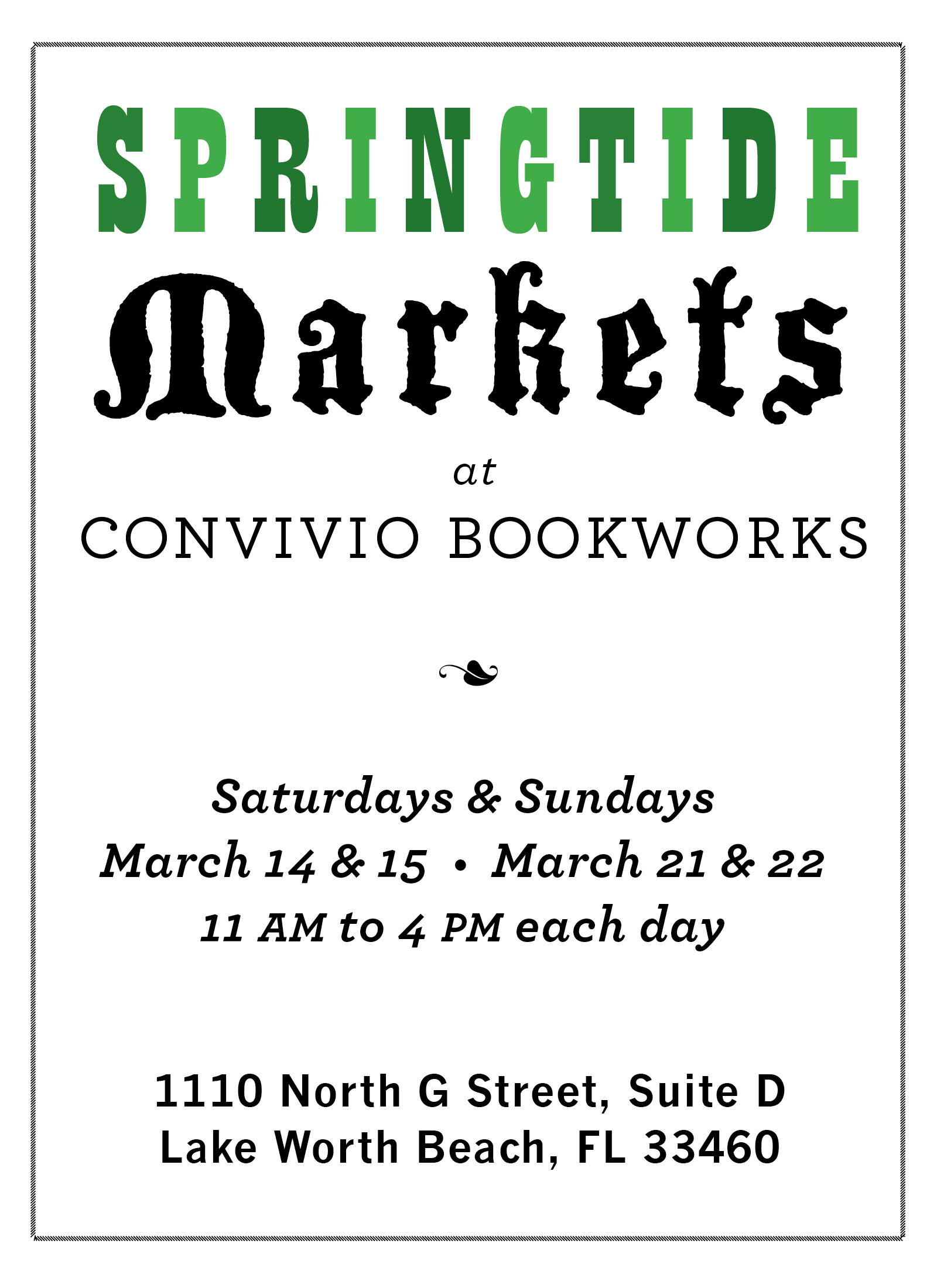
OPEN SHOP DAY!
We’re planning to open the shop this Saturday (Holy Saturday) from 11 to 4, for your last chance to pick up Easter goods like traditional wooden bunnies from Germany’s Erzgebirge woodworkers, beautiful pysanky eggs from Ukraine, German splintwood baskets and wood wool Easter grass (none of the plastic stuff!), German papier mache eggs to fill with treats, and as far as the sweets in your basket, how about sweet and sour Swedish candies, licorice (some chocolate covered) and fruitful gummies from Denmark, and marzipan piglets from Germany? CLICK HERE to shop, and come on by this Saturday, please!
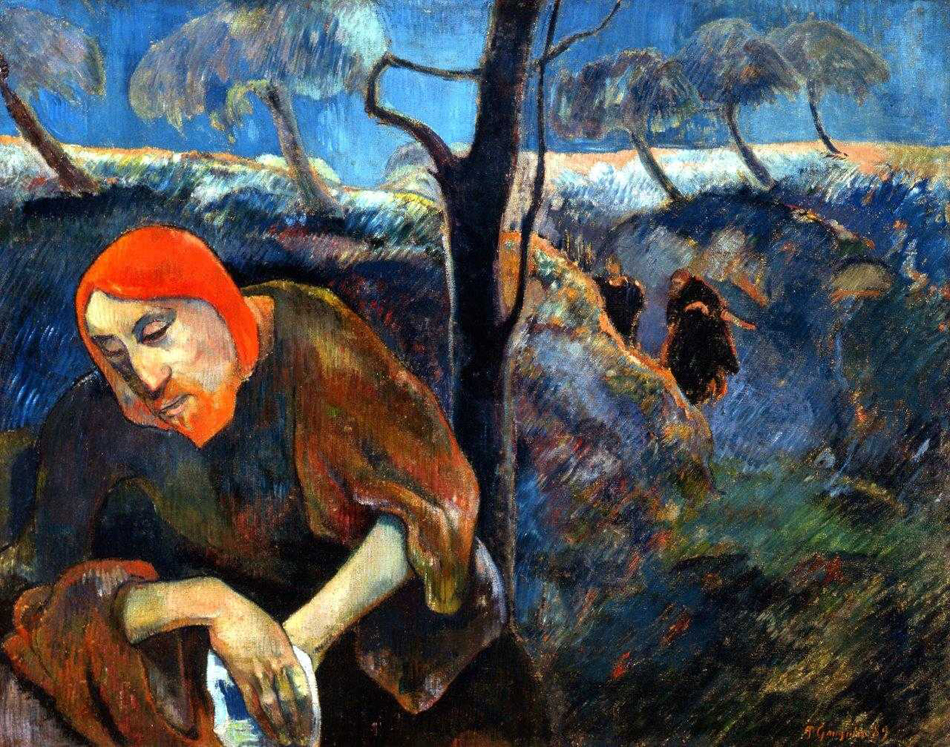
Image: “Christ on the Mount of Olives” by Paul Gauguin. Oil on canvas, 1889 [Public Domain via Wikimedia Commons]. This is one of my favorite paintings, set on the night of Maundy Thursday, and it resides locally, here at the Norton Museum of Art in West Palm Beach. I need to go see it again soon.