For your printable Convivio Book of Days calendar for April, we are tuning into the old adage: April showers bring May flowers. Here in Lake Worth, the flowers are blooming already (Amaryllis on the ground, and when we look up, the sky right now is crazy yellow with the blooms of Tabebuia argentea). Spring is most definitely with us. We realize, though, this welcome season takes longer to reach other places. If you’ve seen little evidence of it yet, worry not, it will soon arrive.
If you’re reading this in the morning, beware, for it is All Fools’ Day, when tricks and practical jokes abound until noon. You may, of course, be one of the tricksters, in which case we wish you good luck and healthy fooling. I’ve initiated some good April Fools’ tricks in my day, but this year I am feeling rather dim-witted and so I am sticking to the defensive role, remaining on lookout all morning, with the goal being to avoid becoming un poisson d’Avril, as they say in France, or il pesce d’Aprile, as they say in Italy. Both would translate to An April Fish, the fish being the fool, and very often the unsuspecting fool might find a paper fish stuck to the back of his shirt. Why a fish? I don’t know. I’m going to leave it at that.
The setting sun this evening will bring the beginning of Passover, or Pesach, commemorating the freeing of the Israelites from their slavery in Egypt, and is celebrated with a meal, the seder. A friend explains it thusly: “We are traveling through the desert with our ancestors via a table filled with metaphor and symbolism.” Unleavened bread is a central part of the celebration, for the Israelites had to leave Egypt so quickly there was no time to let the bread rise. Instead, it had to be baked immediately.
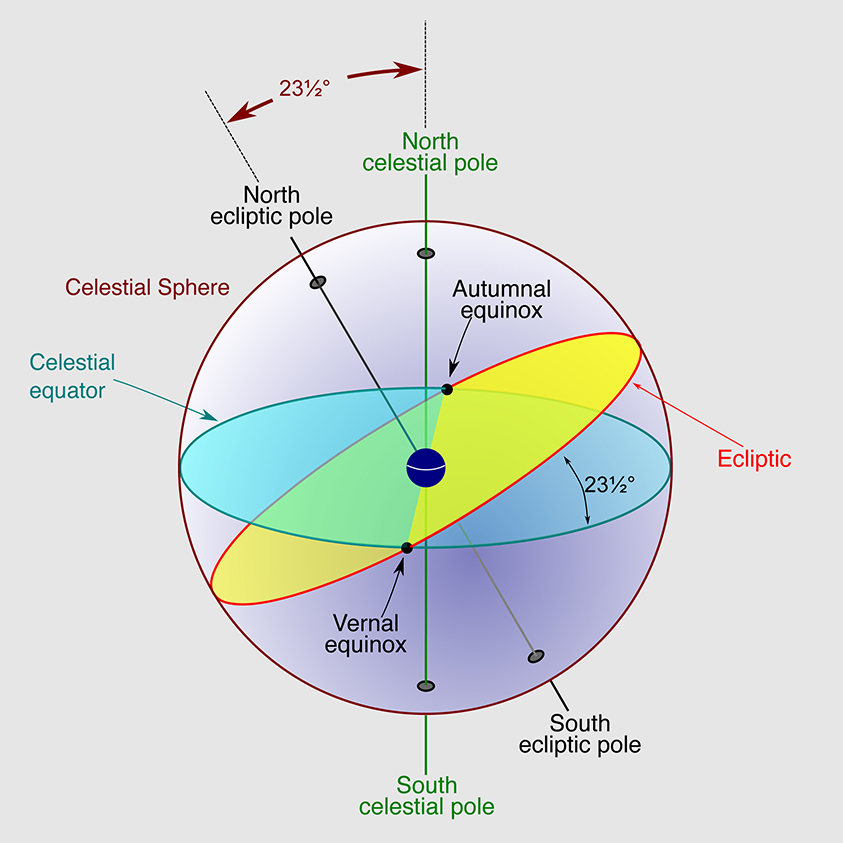
The Italians call Passover Pasqua Ebraica, which you might translate as “Jewish Easter,” but in fact in many languages the names of both Easter and Passover are the same. Pesach informs the name given to Easter in Italian: Pasqua. The English word “Easter” does not share this etymological relation to Pesach. It is related more to the the Old English “Eostre,” which is the name of an Anglo-Saxon goddess whose feast day was celebrated around the Spring Equinox.
Among the questions asked at the seder table is this one: Why is this night different from all other nights? And just as I cannot tell you why when it comes to the poisson d’avril, I also cannot tell you why this night is different from all other night. I’ve never attended a seder. But I will join all who are in spirit tonight and wish you abundant blessings.
In my Christian tradition, it is Spy Wednesday today, which has to do with Judas Iscariot, one of Jesus’ disciples, betraying him and setting the course for the rest of Holy Week. Tomorrow night, on Holy Thursday, we will make our pilgrimage to three churches, deep in the night, moon illuminating the skies above us, for the Night Watch. It is a not necessary an easy night, and yet it is one of the most beautiful each year, one of the most special. And so our April will begin. A most eventful few days.
•
OPEN SHOP DAY!
We’re planning to open the shop this Saturday from 11 to 4, for your last chance to pick up Easter goods like traditional wooden bunnies from Germany’s Erzgebirge woodworkers, beautiful pysanky eggs from Ukraine, German splintwood baskets and wood wool Easter grass (none of the plastic stuff!), German papier mache eggs to fill with treats, and as far as the sweets in your basket, how about sweet and sour Swedish candies, licorice (some chocolate covered) and fruitful gummies from Denmark, and marzipan piglets from Germany? CLICK HERE to shop, and come on by this Saturday, please!
And please make plans to join us later this month for our annual celebration of Independent Bookstore Day on Saturday, April 25. We’ll be making a full weekend of it, opening the shop on Friday night, the 24th, plus Saturday and Sunday the 25th and 26th. We’ll have some appropriate treats, no doubt, plus a free and simple letterpress and bookbinding project for all who come.
Image: “April Showers, Napa Valley” by Jules Tavernier. Oil on canvas, circa 1880-1884 [Public Domain via Wikimedia Commons].